Love this? Save it for later!
Share the inspiration with your friends
Introduction
“You know, it wasn’t until a chilly Saturday morning at the local farmer’s market that I stumbled upon the secret to the fluffiest Polish babka Easter bread,” I recall with a smile. A friendly vendor, an elderly gentleman with twinkling eyes, was selling homemade babka nestled beneath a faded linen cloth. I was drawn in by the intoxicating aroma of vanilla and citrus zest, which instantly transported me to some cozy, sunlit kitchen I’d never been to.
He told me how babka was more than just bread—it was a celebration, a tradition wrapped in dough and soaked with stories. Honestly, I wasn’t expecting to be so hooked after just one bite. The texture was unbelievably soft, almost cloud-like, with a golden crust that crackled just right. And that rum raisin glaze? It was a surprise — not too sweet, with just a hint of boozy warmth that made the whole thing unforgettable.
That day, between chatting about his grandmother’s handwritten recipe and dodging a spilled basket of eggs, I realized this babka was going to become a staple in my kitchen. Maybe you’ve been there — the kind of discovery that sneaks up on you, changes your weekend baking routine, and yet feels like coming home. So, let me tell you how to make this fluffy Polish babka Easter bread with the easiest rum raisin glaze you’ll ever try. It’s comforting, festive, and honestly, the kind of treat that makes you close your eyes after the first bite.
Why You’ll Love This Recipe
After countless trials (and a few flour-covered mishaps), this Polish babka Easter bread recipe became my go-to for holiday mornings and cozy gatherings. It’s not just another sweet bread — it’s a recipe tested by time, patience, and a little bit of rum-soaked magic.
- Quick & Easy: Though it’s a traditional bread, the steps come together smoothly, and the dough is forgiving, perfect for busy bakers wanting a special treat.
- Simple Ingredients: No need for fancy imports—most ingredients are pantry staples you probably already have, which makes this recipe accessible anytime.
- Perfect for Easter & Holidays: This babka shines on festive tables but honestly, it makes any breakfast or brunch feel like a celebration.
- Crowd-Pleaser: Kids and adults alike rave about the soft crumb and the subtle rum raisin glaze that adds just the right hint of indulgence.
- Unbelievably Delicious: The balance between the fluffy dough and the fragrant glaze creates a comforting texture and flavor combo that warms the heart.
This isn’t just a standard babka. The secret lies in the way the dough is enriched — with a touch of butter and eggs that give it that irresistible softness — and the rum raisin glaze that’s light enough to complement, not overpower. I’ve even swapped in gluten-free flour once, which didn’t compromise the texture much, proving this recipe’s flexibility. Honestly, once you make it, you might find yourself craving it year-round, not just for Easter.
What Ingredients You Will Need
This recipe uses simple, wholesome ingredients to deliver bold flavor and satisfying texture without the fuss. Most are pantry staples, and you’ll find a few seasonal touches that bring the bread to life.
- For the Babka Dough:
- All-purpose flour – 4 cups (480g), sifted for lightness
- Active dry yeast – 2¼ tsp (one packet), to get that perfect rise
- Granulated sugar – ½ cup (100g), adds sweetness
- Whole milk – 1 cup (240ml), warmed to about 110°F (43°C) for activating yeast
- Unsalted butter – 6 tbsp (85g), softened (I recommend Plugrá for its creamy richness)
- Large eggs – 3, room temperature (helps dough elasticity)
- Vanilla extract – 1 tbsp, for that inviting aroma
- Salt – 1 tsp, to balance sweetness
- Fresh lemon zest – 1 tsp, adds a bright note
- For the Rum Raisin Glaze:
- Dark raisins – ½ cup (75g), soaked in warm water and 2 tbsp dark rum for at least 30 minutes
- Powdered sugar – 1 cup (120g), sifted to avoid lumps
- Fresh lemon juice – 2 tbsp, balances the sweetness
- Rum – 1 tbsp (optional, for extra depth)
- Milk – 1–2 tbsp, to adjust glaze consistency
Ingredient tips: If you’re avoiding alcohol, swap the rum for apple juice or additional lemon juice and soak raisins in warm water only. For a dairy-free version, use coconut milk and plant-based butter alternatives. Pro tip: I always pick small-curd cottage cheese when making other Polish breads, but this babka shines with just a classic soft dough.
Equipment Needed
- Large mixing bowl – for combining dough ingredients comfortably
- Stand mixer with dough hook attachment (optional but helpful) – speeds up kneading and helps develop gluten
- Measuring cups and spoons – for accuracy
- Loaf pan or babka mold – 9×5 inch (23×13 cm) works well; I’ve used a bundt pan too, but the loaf shape bakes more evenly
- Kitchen towel or plastic wrap – for covering dough while it rises
- Small saucepan or microwave-safe bowl – to warm milk and melt butter
- Cooling rack – so your babka doesn’t get soggy after baking
If you don’t have a stand mixer, no worries — hand kneading works just fine, though it takes about 10-12 minutes. I remember once starting this recipe without my mixer because it was being cleaned; it was messy but oddly satisfying to feel the dough transform under my hands. For budget-friendly options, loaf pans can be swapped for disposable foil pans if needed.
Preparation Method
- Activate the yeast: Warm 1 cup (240ml) of milk to about 110°F (43°C). Pour into a large bowl, sprinkle 2¼ tsp active dry yeast and 1 tbsp sugar. Stir gently and let it sit for 5-7 minutes until frothy. If it doesn’t foam, your yeast might be old—best to start fresh.
- Mix the dough: Into the yeast mixture, add 4 cups (480g) sifted all-purpose flour, remaining ½ cup (100g) sugar, 1 tsp salt, and 1 tsp fresh lemon zest. In a separate bowl, whisk 3 large eggs, 6 tbsp softened unsalted butter, and 1 tbsp vanilla extract. Gradually combine wet ingredients with dry, stirring until a sticky dough forms.
- Knead the dough: If using a stand mixer, knead with the dough hook on medium speed for about 8 minutes. If by hand, knead on a floured surface for 10-12 minutes, adding a bit of flour if too sticky. The dough should be smooth, elastic, and slightly tacky but not sticky.
- First rise: Shape the dough into a ball and place it in a lightly greased bowl. Cover with a kitchen towel or plastic wrap. Let it rise in a warm, draft-free place for 1.5 to 2 hours, or until doubled in size.
- Prepare the pan: Grease your loaf pan with butter and lightly dust with flour. Preheat your oven to 350°F (175°C).
- Shape the babka: Punch down the risen dough gently to deflate. Roll it into a rectangle about 12×16 inches (30×40 cm). Spread the soaked rum raisins evenly over the dough, then roll it tightly from the long side into a log. Cut the log lengthwise down the middle to expose the layers, then twist the two halves around each other, keeping the cut sides facing up. Place the twisted dough into the prepared pan.
- Second rise: Cover the dough loosely and let it rise for another 45 minutes until puffy but not doubled.
- Bake: Bake in the preheated oven for 35-40 minutes, or until golden brown and a skewer inserted in the center comes out clean. If the top browns too fast, tent with foil after 25 minutes.
- Cool: Remove the loaf from the oven, let it cool for 15 minutes in the pan, then transfer to a cooling rack.
- Make the glaze: While the babka cools, mix 1 cup (120g) powdered sugar, 2 tbsp fresh lemon juice, 1 tbsp rum, and 1-2 tbsp milk in a bowl until smooth and pourable. Drain the soaked raisins and stir them into the glaze.
- Glaze the babka: Drizzle the rum raisin glaze over the warm babka, allowing it to soak into the cracks and layers.
- Serve: Let the glaze set for 10 minutes before slicing. Enjoy with a cup of coffee or tea!
Tip: Don’t rush the rising times—patience here pays off with that signature fluffiness. Also, if your kitchen is cold, I like to place the dough near the oven (off) or on top of the fridge for warmth. Once, my dog decided to sit on the rising dough—messy but I didn’t have the heart to scold him!
Cooking Tips & Techniques
Making Polish babka might seem intimidating, but a few tricks make it surprisingly straightforward. First, don’t skimp on warming the milk and proofing the yeast properly; if it doesn’t foam, your bread might turn dense. I learned this the hard way once, baking a brick of a loaf before realizing the yeast expired.
When kneading, aim for a dough that’s elastic and slightly tacky. If it feels too sticky, sprinkle flour carefully; too dry, and the bread can turn crumbly. I often knead by hand because feeling the dough’s texture helps me know when it’s ready — plus, it’s oddly therapeutic.
Timing is key — let the dough rise fully but don’t let it overproof or it can collapse. Watching it double in size is like watching a magic trick unfold. For glazing, add the soaked raisins last so they don’t sink to the bottom, keeping that delightful chew in every bite.
Finally, keep an eye on your oven’s temperature — every oven behaves differently. Using an oven thermometer can save you from burned tops or undercooked centers. And if you want to multitask, you can prepare the glaze while the dough does its second rise to save time.
Variations & Adaptations
This fluffy Polish babka Easter bread recipe is surprisingly versatile. Here are some ways to make it your own:
- Chocolate Babka Twist: Swap out the rum raisins for a chocolate-hazelnut spread swirl. It’s a decadent change that kids love.
- Gluten-Free Version: Use a gluten-free all-purpose flour blend and add an extra egg for structure. The texture will be slightly different but still delicious.
- Fruit and Nut Mix: Toss in chopped dried apricots, walnuts, or pistachios along with the raisins for extra texture and flavor.
- Dairy-Free Adaptation: Replace milk with almond or oat milk and use a plant-based butter substitute. The dough will still rise nicely.
- Spiced Rum Glaze: Add a pinch of cinnamon and nutmeg to the glaze for a warm, cozy flavor twist perfect for fall or winter celebrations.
Personally, I once swapped the lemon zest for orange zest and added a splash of orange liqueur to the glaze — it was a hit at a spring brunch. Feel free to experiment with your favorite flavors while respecting the dough’s delicate texture.
Serving & Storage Suggestions
This babka is best served slightly warm or at room temperature. I like to slice it thick and pair it with a dollop of whipped cream or a smear of butter. It’s fantastic alongside a fresh fruit salad or a cup of your favorite coffee.
To store, wrap the babka tightly in plastic wrap or place it in an airtight container. It stays fresh at room temperature for up to 2 days or refrigerated for up to 5 days. For longer storage, slice and freeze in a zip-top bag for up to 3 months.
When reheating, pop slices into a toaster oven or warm gently in the microwave for 15-20 seconds. The glaze softens and the bread regains some of its fresh-baked charm. Honestly, the flavors develop beautifully after a day, so making it a day ahead can be a smart move for holiday hosting.
Nutritional Information & Benefits
Each serving of this fluffy Polish babka Easter bread contains roughly:
| Calories | 320 |
|---|---|
| Carbohydrates | 50g |
| Protein | 6g |
| Fat | 8g |
| Sugar | 15g |
The recipe offers some nutritional perks thanks to eggs providing protein and the use of real butter contributing to a rich mouthfeel. The raisins add natural sweetness plus fiber and antioxidants. Using fresh lemon zest adds vitamin C and bright flavor without calories.
This babka is naturally vegetarian, and with gluten-free flour swaps, it can accommodate gluten sensitivities. Just watch for allergens like eggs and dairy if serving to guests with dietary restrictions. From a wellness perspective, it’s a treat that balances indulgence with wholesome ingredients — perfect for celebrating without overdoing it.
Conclusion
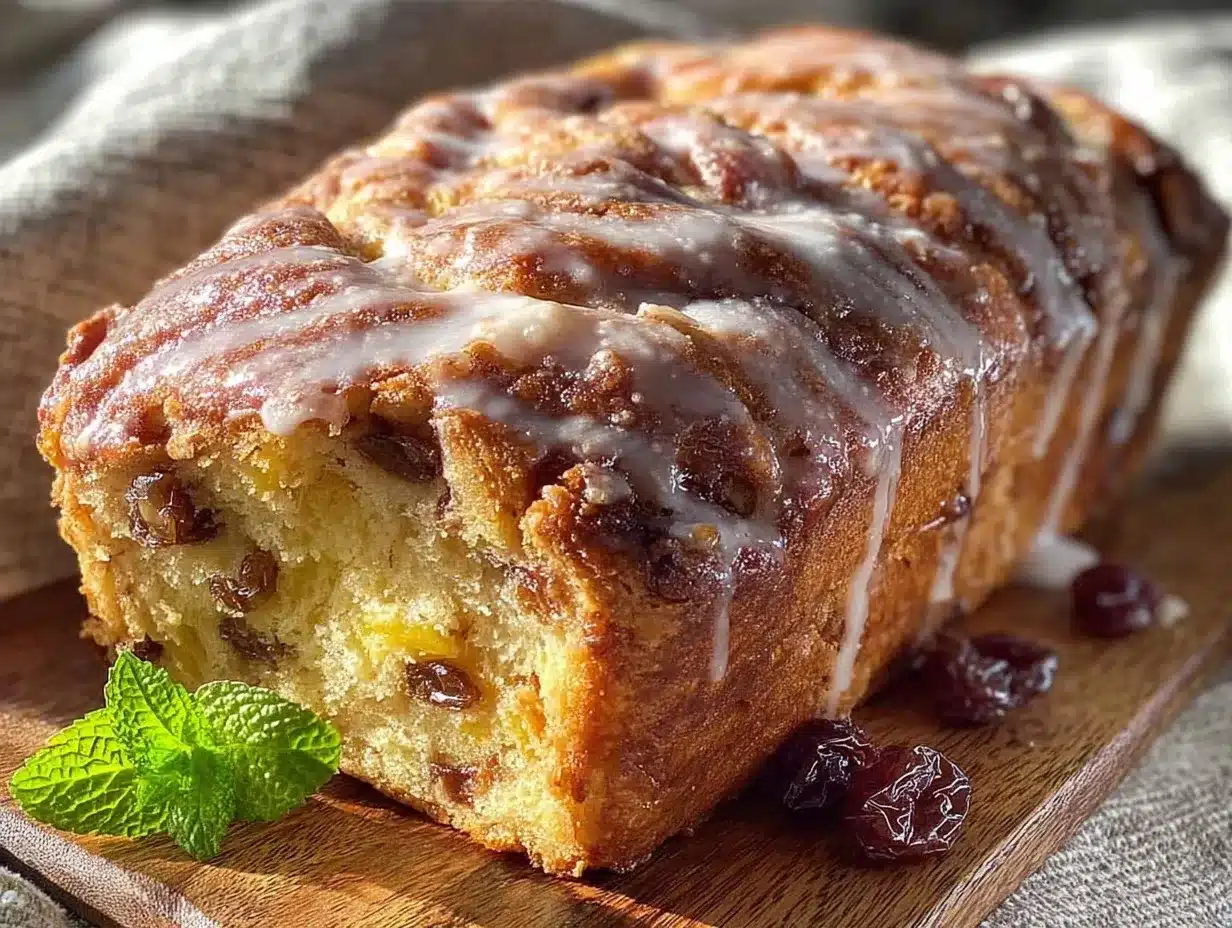
This fluffy Polish babka Easter bread with rum raisin glaze is more than just a recipe — it’s a tradition you can make your own, with warmth in every bite and a story behind every slice. Whether you’re baking for Easter, a special brunch, or simply because you crave that soft, sweet comfort, this babka won’t disappoint.
Feel free to adjust the glaze, try different fillings, or make it dairy-free — it’s flexible and forgiving, like a good friend in bread form. Honestly, I keep coming back to this recipe because it brings a little joy to even the busiest mornings.
If you try this recipe, I’d love to hear how it turns out or what twists you make — drop a comment or share your thoughts! Here’s to many cozy mornings filled with fluffy babka and the kind of memories that last.
FAQs
Can I make Polish babka without a stand mixer?
Yes! Hand kneading works perfectly fine. Just knead the dough for about 10-12 minutes until it’s smooth and elastic. It’s a bit of a workout but totally worth it.
How long can I store babka before it goes stale?
Stored properly in an airtight container, babka stays fresh for about 2 days at room temperature or up to 5 days in the fridge. You can also freeze slices for up to 3 months.
What if I don’t have rum for the glaze?
No problem! Substitute the rum with warm water, apple juice, or extra lemon juice. The glaze will still be delicious and soak nicely into the bread.
Can I add chocolate to this babka?
Absolutely! Swapping raisins for a chocolate-hazelnut spread or adding chocolate chips is a popular variation that’s just as tasty.
Is this babka recipe suitable for beginners?
Definitely. The steps are straightforward, and the dough is forgiving. Just follow the rise times closely, and you’ll have a beautiful, fluffy babka even on your first try.
For a fun twist on sweet breads, you might also enjoy my recipe for sweet cinnamon rolls or the classic lemon poppy seed muffins, both great companions to a cozy breakfast table.
Pin This Recipe!
Fluffy Polish Babka Easter Bread Recipe with Easy Rum Raisin Glaze
A traditional Polish babka bread that is soft, fluffy, and enriched with butter and eggs, topped with a light rum raisin glaze that adds a subtle boozy warmth. Perfect for Easter, holidays, or any cozy brunch.
- Prep Time: 20 minutes
- Cook Time: 40 minutes
- Total Time: 3 hours 45 minutes
- Yield: 1 loaf (about 8 servings) 1x
- Category: Bread
- Cuisine: Polish
Ingredients
- 4 cups (480g) all-purpose flour, sifted
- 2¼ tsp active dry yeast (one packet)
- ½ cup (100g) granulated sugar
- 1 cup (240ml) whole milk, warmed to about 110°F (43°C)
- 6 tbsp (85g) unsalted butter, softened
- 3 large eggs, room temperature
- 1 tbsp vanilla extract
- 1 tsp salt
- 1 tsp fresh lemon zest
- ½ cup (75g) dark raisins, soaked in warm water and 2 tbsp dark rum for at least 30 minutes
- 1 cup (120g) powdered sugar, sifted
- 2 tbsp fresh lemon juice
- 1 tbsp rum (optional)
- 1–2 tbsp milk (to adjust glaze consistency)
Instructions
- Warm 1 cup (240ml) of milk to about 110°F (43°C). Pour into a large bowl, sprinkle 2¼ tsp active dry yeast and 1 tbsp sugar. Stir gently and let it sit for 5-7 minutes until frothy.
- Into the yeast mixture, add 4 cups (480g) sifted all-purpose flour, remaining ½ cup (100g) sugar, 1 tsp salt, and 1 tsp fresh lemon zest. In a separate bowl, whisk 3 large eggs, 6 tbsp softened unsalted butter, and 1 tbsp vanilla extract. Gradually combine wet ingredients with dry, stirring until a sticky dough forms.
- Knead the dough: If using a stand mixer, knead with the dough hook on medium speed for about 8 minutes. If by hand, knead on a floured surface for 10-12 minutes, adding a bit of flour if too sticky. The dough should be smooth, elastic, and slightly tacky but not sticky.
- Shape the dough into a ball and place it in a lightly greased bowl. Cover with a kitchen towel or plastic wrap. Let it rise in a warm, draft-free place for 1.5 to 2 hours, or until doubled in size.
- Grease your loaf pan with butter and lightly dust with flour. Preheat your oven to 350°F (175°C).
- Punch down the risen dough gently to deflate. Roll it into a rectangle about 12×16 inches (30×40 cm). Spread the soaked rum raisins evenly over the dough, then roll it tightly from the long side into a log. Cut the log lengthwise down the middle to expose the layers, then twist the two halves around each other, keeping the cut sides facing up. Place the twisted dough into the prepared pan.
- Cover the dough loosely and let it rise for another 45 minutes until puffy but not doubled.
- Bake in the preheated oven for 35-40 minutes, or until golden brown and a skewer inserted in the center comes out clean. If the top browns too fast, tent with foil after 25 minutes.
- Remove the loaf from the oven, let it cool for 15 minutes in the pan, then transfer to a cooling rack.
- While the babka cools, mix 1 cup (120g) powdered sugar, 2 tbsp fresh lemon juice, 1 tbsp rum, and 1-2 tbsp milk in a bowl until smooth and pourable. Drain the soaked raisins and stir them into the glaze.
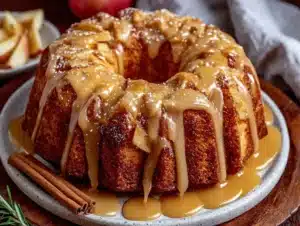
- Drizzle the rum raisin glaze over the warm babka, allowing it to soak into the cracks and layers.
- Let the glaze set for 10 minutes before slicing. Enjoy with a cup of coffee or tea!
Notes
Do not rush the rising times for best fluffiness. If your kitchen is cold, place dough near a warm spot like on top of the fridge or near the oven (off). Tent with foil if the top browns too quickly. For alcohol-free glaze, substitute rum with apple juice or extra lemon juice. Hand kneading is fine but takes 10-12 minutes.
Nutrition
- Serving Size: 1 slice (about 1/8 o
- Calories: 320
- Sugar: 15
- Sodium: 200
- Fat: 8
- Saturated Fat: 5
- Carbohydrates: 50
- Fiber: 2
- Protein: 6
Keywords: Polish babka, Easter bread, rum raisin glaze, fluffy bread, holiday bread, traditional babka, sweet bread