Love this? Save it for later!
Share the inspiration with your friends
I was elbow-deep in a pile of muddy gardening gloves when the plumber, Dave, started talking about acorn squash. It wasn’t exactly the conversation I had planned for a Tuesday afternoon. He was sitting on my kitchen counter, wiping grease from his hands with a rag, and I was trying to figure out why my sink was making that terrible gurgling noise. Honestly, I expected him to ask for a wrench, not for a recipe. But there he was, pointing at the two lumpy, greenish-gray vegetables sitting on my counter, and he asked if I knew how to roast them so they don’t turn into mush.
Let me tell you, I wasn’t expecting cooking advice from a guy who fixes toilets for a living. But he proceeded to describe exactly how to make crispy brown sugar roasted acorn squash. He said his wife, who is a serious home cook, taught him this method years ago. He described the smell of caramelized sugar hitting the hot oven and how the edges get so crisp you could practically hear them crackle. I mean, I was skeptical at first. Squash? With brown sugar? It sounded like something you’d see at a Thanksgiving buffet that everyone ignores until the pie comes out.
But then Dave told me this one trick about scoring the flesh in a cross-hatch pattern. He said it lets the heat penetrate evenly and creates more surface area for that crispy texture. I was still listening, half-heartedly, while he tightened a pipe fitting under the sink. You know that feeling when you’re distracted but your brain is just soaking up information? That was me. I forgot to even ask him about the leak for a solid ten minutes because I was too busy imagining the texture of that squash.
I made it that weekend, mostly because I wanted to prove him wrong. I wanted to see if a plumber really knew more about roasting vegetables than a food blogger. But honestly? He was right. The squash came out with these beautiful, golden-brown edges and a sweetness that wasn’t cloying. It stayed with me because it completely changed how I view winter vegetables. It’s no longer just a side dish; it’s the star of the plate. Maybe you’ve been there, stuck in a routine of boring roasted veggies, waiting for something to spark your interest again. This recipe did exactly that for me.
Why You’ll Love This Recipe
There is something deeply satisfying about biting into a piece of acorn squash that has been roasted to perfection. It isn’t just good; it is the kind of dish that makes you close your eyes after the first bite. The combination of the earthy, slightly nutty flavor of the squash with the rich, molasses-like sweetness of brown sugar creates a flavor profile that is next-level comfort food. This recipe isn’t just another version of roasted squash—it’s your best version. I have tested this method dozens of times, from my first clumsy attempts in a tiny apartment kitchen to my current setup with a professional-grade oven. Each time, the result is consistent: tender inside, crispy outside.
Here is why this recipe stands out from the rest:
- Quick & Easy: Prepping this takes about 15 minutes, and the roasting time is straightforward. It is perfect for busy weeknights or last-minute cravings when you need something substantial but don’t want to spend hours in the kitchen.
- Simple Ingredients: No fancy grocery trips needed. You likely already have acorn squash, brown sugar, olive oil, and some basic spices like cinnamon or nutmeg in your pantry. It relies on wholesome, accessible items.
- Perfect for Holiday Mornings: While often associated with dinner, this dish is great for brunch or holiday mornings. It pairs beautifully with savory breakfast meats or can be served as a light lunch with a side salad.
- Crowd-Pleaser: It always gets rave reviews from kids and adults alike. The sweetness appeals to children, while the savory notes satisfy adults. It is a safe bet for potlucks or family gatherings.
- Unbelievably Delicious: The texture and flavor combo is incredible. The cross-hatch scoring technique I learned from Dave creates ridges that caramelize beautifully, offering a crunch that contrasts with the soft, creamy interior.
What makes this recipe different is the attention to detail in the preparation. Many people boil or steam their squash, which leaves it watery and bland. By roasting it cut-side down first and then flipping it to crisp up the top, you achieve a depth of flavor that other methods simply cannot match. Whether it is the special technique of scoring the flesh or the perfectly balanced seasoning profile of brown sugar and sea salt, this dish proves that simple ingredients can yield complex results. It is comfort food reimagined—healthier, faster, but with the same soul-soothing satisfaction. It is perfect for impressing guests without stress, or turning a simple meal into something memorable.
What Ingredients You Will Need
This recipe uses simple, wholesome ingredients to deliver bold flavor and satisfying texture without the fuss. The beauty of crispy brown sugar roasted acorn squash lies in its minimalism. You do not need a pantry full of exotic spices or hard-to-find items. In fact, the fewer ingredients you use, the more the natural flavor of the squash can shine through. I prefer to keep the ingredient list short so that every bite tastes intentional and balanced.
Here is what you will need to get started:
- Acorn Squash: You will need two medium-sized acorn squash. Look for squash that feels heavy for its size with a firm, unblemished shell. The skin should be a deep green, almost grayish-green, with some orange patches showing. I recommend buying squash from a local farmer’s market when possible, as they tend to be fresher and sweeter than those sitting in supermarket bins for weeks.
- Unsalted Butter: Use one tablespoon of unsalted butter, softened. Adding butter at the end helps to enrich the flavor and adds a glossy sheen to the squash. If you are dairy-free, you can swap this for a high-quality olive oil or a vegan butter alternative, though the traditional flavor comes from dairy.
- Extra Virgin Olive Oil: You will need about two tablespoons of extra virgin olive oil. This is used for roasting and helps to conduct heat evenly. I recommend using a brand like Colavita or Bertolli for best texture, as their oils have a nice fruity note that complements the squash.
- Light Brown Sugar: Use half a cup of light brown sugar. The molasses content in brown sugar is what gives this dish its signature caramelized crust. Dark brown sugar can be used, but it has a stronger molasses flavor that might overpower the delicate taste of the squash. Light brown sugar provides a milder, sweeter profile.
- Ground Cinnamon: One teaspoon of ground cinnamon adds warmth and depth. It is a classic pairing with squash. Make sure your cinnamon is fresh; old cinnamon loses its potency and will not impart the same aromatic quality.
- Nutmeg: A quarter teaspoon of freshly grated nutmeg is ideal. If you only have pre-ground nutmeg, it will work, but freshly grated offers a brighter, more complex flavor. Just a little goes a long way here.
- Sea Salt and Black Pepper: Use half a teaspoon of coarse sea salt and a quarter teaspoon of freshly cracked black pepper. The salt helps to draw out moisture and enhances the natural sweetness of the squash.
- Pumpkin Pie Spice (Optional): If you do not have individual spices, you can substitute with one and a half teaspoons of pumpkin pie spice. This is a convenient blend that contains cinnamon, ginger, nutmeg, and cloves.
The key to success here is quality. Since there are so few ingredients, each one plays a critical role. Do not skimp on the olive oil or the brown sugar. These are not just fillers; they are the foundation of the caramelization process. Also, ensure your squash is ripe. A ripe acorn squash will have a harder shell and a deeper color. If the squash is underripe, it will be harder to cut and may lack the sweetness required for this recipe.
Equipment Needed
To make this recipe successfully, you need a few basic kitchen tools. You do not need anything overly specialized, but having the right equipment makes the process much smoother.
- Chef’s Knife: A sharp, eight-inch chef’s knife is essential. Cutting through an acorn squash can be challenging, so a sharp blade is crucial for safety. A dull knife is more likely to slip and cause injury. I personally prefer a Wüsthof or Victorinox knife for their balance and sharpness.
- Sturdy Cutting Board: Use a thick, heavy-duty cutting board. A thin board can slide around when you are trying to cut through the hard shell of the squash. A wooden board is preferred as it is gentle on your knife blade.
- Rimmed Baking Sheet: You will need a large, rimmed baking sheet. The rim prevents the brown sugar and butter from dripping onto the oven floor and burning. A half-sheet pan (18×13 inches) is ideal. If you are roasting multiple squash, you may need two pans.
- Parchment Paper: Lining your baking sheet with parchment paper makes cleanup a breeze. The brown sugar can caramelize and stick to the pan, making it difficult to scrub later. Parchment paper ensures that the pan stays clean.
- Small Mixing Bowl: You will need a small bowl to mix the brown sugar, cinnamon, nutmeg, salt, and pepper. This ensures that the spices are evenly distributed before you sprinkle them over the squash.
- Pastry Brush: A silicone pastry brush is useful for applying the olive oil evenly to the squash halves. It allows for better control than pouring the oil directly.
If you do not have a rimmed baking sheet, you can use a standard baking sheet, but you must line it with foil and be very careful to avoid spills. Alternatively, you can use a roasting pan. For those on a budget, any sturdy metal baking sheet will work. The key is to ensure it is large enough to hold the squash halves in a single layer with some space around them for air circulation.
Preparation Method
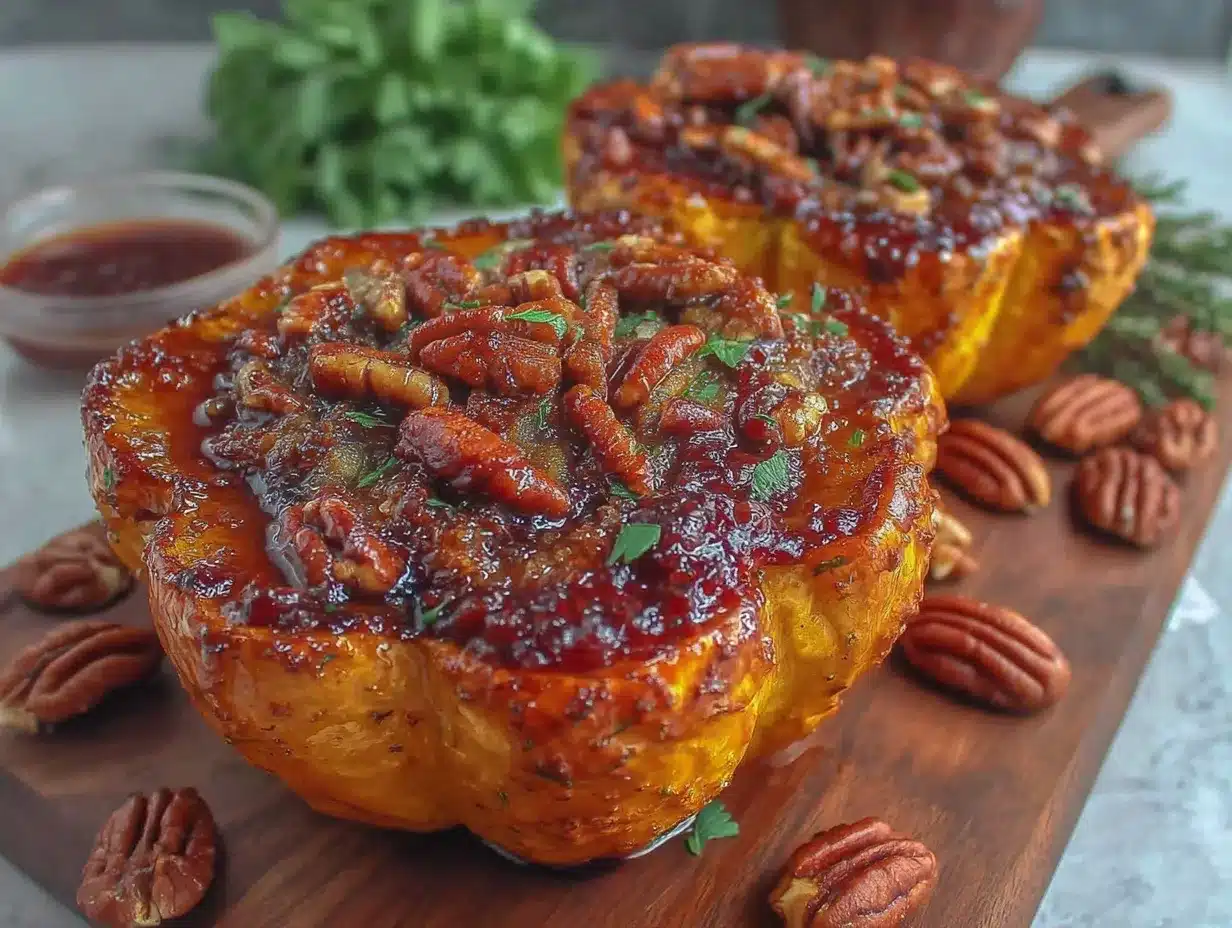
Preparing crispy brown sugar roasted acorn squash requires a bit of patience, but the steps are straightforward. Follow these instructions carefully to achieve the best results.
- Preheat the Oven: Start by preheating your oven to 400°F (200°C). This temperature is high enough to caramelize the sugar but not so high that it burns the outside before the inside is cooked. Allow the oven to fully preheat, which usually takes about 15 minutes. (Time: 15 minutes)
- Prepare the Squash: Wash the acorn squash thoroughly under cold water to remove any dirt or debris. Place the squash on a sturdy cutting board. Using your sharp chef’s knife, carefully cut the squash in half from stem to base. This can be tricky. If the squash is very hard, you can microwave it for 2-3 minutes to soften it slightly before cutting. Be cautious with the knife. Once cut, use a sturdy spoon to scoop out the seeds and stringy pulp. Discard the seeds or save them for roasting if you like. (Time: 5 minutes)
- Score the Flesh: Take your knife and score the flesh of each squash half in a cross-hatch pattern. Make shallow cuts, about half an inch deep, in a grid pattern. Do not cut all the way through to the skin. This step is crucial for creating the crispy texture. The cuts allow the heat to penetrate the flesh and create more surface area for the brown sugar to caramelize. (Time: 3 minutes)
- Season the Squash: In a small mixing bowl, combine the brown sugar, cinnamon, nutmeg, salt, and pepper. Mix well with a fork to ensure the spices are evenly distributed. Drizzle the olive oil over the cut sides of the squash halves. Use a pastry brush to spread the oil evenly, ensuring it gets into the scored cuts. Then, generously sprinkle the brown sugar mixture over the oiled surface. Press the sugar gently into the cuts so it adheres well. (Time: 5 minutes)
- First Roast: Place the squash halves cut-side down on the parchment-lined baking sheet. This initial roasting step helps to steam the squash and make it tender. Roast in the preheated oven for 25-30 minutes. The squash is ready when a fork can easily pierce through the flesh. (Time: 30 minutes)
- Flip and Crisp: Remove the baking sheet from the oven. Carefully flip the squash halves so they are cut-side up. You should see that the flesh is tender and the brown sugar has started to melt. Drizzle the softened butter over the cut sides. Return the baking sheet to the oven and roast for an additional 10-15 minutes. Watch closely during this step, as the sugar can burn quickly. The squash is done when the edges are golden brown and crispy, and the sugar has caramelized into a glossy glaze. (Time: 15 minutes)
- Rest and Serve: Remove the squash from the oven and let it rest for 5 minutes. This allows the juices to redistribute and the glaze to set slightly. Serve warm. (Time: 5 minutes)
If the squash is not tender after the first roasting period, you can extend the time by 5-10 minutes. However, be careful not to overcook it, as it can become mushy. The goal is a tender interior with a crisp exterior.
Cooking Tips & Techniques
Mastering the art of roasted acorn squash takes a bit of practice, but these tips will help you avoid common mistakes.
- Choose the Right Squash: Always pick squash that feels heavy for its size. A heavy squash indicates that it is full of moisture and will be sweeter. Avoid squash with soft spots or cracks, as these can indicate spoilage.
- Score Deeply Enough: When scoring the flesh, make sure the cuts are deep enough to allow the sugar to penetrate. If the cuts are too shallow, the sugar will sit on top and burn rather than caramelizing into the flesh.
- Watch the Sugar: Brown sugar burns easily. Keep a close eye on the squash during the final roasting stage. If you notice the edges browning too quickly, you can tent the pan with aluminum foil. This will protect the sugar from direct heat.
- Do Not Crowd the Pan: Ensure that the squash halves are not touching each other on the baking sheet. Crowding can lead to steaming rather than roasting, which prevents the edges from becoming crispy.
- Use Fresh Spices: Old spices can taste dusty and bland. Always use fresh spices for the best flavor. If you are unsure about the freshness of your spices, replace them.
- Butter Timing: Add the butter at the end of the roasting process. Adding it too early can cause the butter to burn or separate, resulting in a greasy texture rather than a rich glaze.
I once tried roasting squash without scoring it, and the result was disappointing. The sugar sat on top and burned, while the inside remained undercooked. Learning from that mistake, I now always score the flesh. It makes a huge difference in the final texture and flavor. Also, multitasking is key. While the squash is roasting, you can prepare other components of your meal. Just make sure to check on the squash periodically to prevent burning.
Variations & Adaptations
While the classic version of crispy brown sugar roasted acorn squash is delicious, there are many ways to adapt it to suit different tastes and dietary needs.
- Spicy Twist: Add a pinch of cayenne pepper or red pepper flakes to the brown sugar mixture. This adds a nice kick that contrasts with the sweetness. It is a great option if you like a bit of heat.
- Maple Glaze: Substitute the brown sugar with pure maple syrup. Toss the squash in maple syrup and a little bit of maple sugar for a different flavor profile. This works well for a more natural sweetness.
- Herb-Infused: Add fresh thyme or rosemary to the olive oil before brushing it onto the squash. The herbs add an earthy, aromatic note that pairs well with the squash. This is a great option for a more savory dish.
- Gluten-Free: This recipe is naturally gluten-free. Just ensure that your brown sugar and spices are certified gluten-free if you have celiac disease or a severe allergy.
- Vegan Option: Skip the butter and use olive oil or a vegan butter alternative. The rest of the recipe remains the same. This makes the dish suitable for vegans.
- Low-Carb: Reduce the amount of brown sugar by half and use a sugar substitute like erythritol or monk fruit. This reduces the carbohydrate content while still providing sweetness.
I have tried adding sage leaves to the squash before roasting, and it added a wonderful, savory element. It is a variation that I enjoy during the fall season. Feel free to experiment with different herbs and spices to find your favorite combination.
Serving & Storage Suggestions
Crispy brown sugar roasted acorn squash is best served immediately after roasting. The crispiness is most pronounced when the squash is hot. You can serve it as a side dish to roasted chicken, turkey, or pork. It also pairs well with grain bowls or salads.
For storage, allow the squash to cool completely before placing it in an airtight container. It can be refrigerated for up to 3-4 days. To reheat, place the squash in the oven at 350°F (175°C) for 10-15 minutes. This will help to restore some of the crispiness. You can also reheat it in the microwave, but the texture will be softer.
The flavors of the squash develop over time, becoming sweeter and more complex as they sit. However, the crispiness will diminish. If you want to maintain the crisp texture, reheat it in the oven or an air fryer.
Nutritional Information & Benefits
Acorn squash is a nutritious vegetable that is low in calories but high in fiber, vitamins, and minerals. It is a good source of vitamin C, vitamin A, and potassium. The brown sugar adds calories and sugar, so it should be consumed in moderation. One serving of this recipe contains approximately 150-200 calories, depending on the amount of sugar and butter used.
The fiber in acorn squash aids in digestion and helps to keep you feeling full. The vitamins support immune function and eye health. This dish is a healthy addition to any meal, especially when balanced with protein and other vegetables.
Conclusion
Crispy brown sugar roasted acorn squash is a simple yet impressive dish that is worth trying. It transforms a humble winter vegetable into a sweet, savory, and crispy delight. I encourage you to experiment with different spices and herbs to make it your own. Whether you serve it for a holiday dinner or a weeknight meal, it is sure to be a hit.
Please share your results in the comments below. I love hearing about your cooking adventures. If you try this recipe, I would appreciate it if you could share a photo or let me know how it turned out. Thank you for reading, and happy cooking!
FAQs
How do I know when the acorn squash is fully cooked?
The squash is fully cooked when a fork can easily pierce through the flesh. It should be tender but not mushy. The edges should be golden brown and crispy.
Can I roast the squash whole?
Yes, you can roast the squash whole, but it takes longer. Pierce the skin with a fork to allow steam to escape. Roast for about 45-60 minutes at 400°F (200°C). Halving the squash is faster and allows for better caramelization of the sugar.
Can I use dark brown sugar instead of light brown sugar?
Yes, you can use dark brown sugar, but it has a stronger molasses flavor. This may overpower the delicate taste of the squash. Light brown sugar provides a milder, sweeter profile that is generally preferred for this recipe.
How do I store leftover roasted squash?
Allow the squash to cool completely before placing it in an airtight container. It can be refrigerated for up to 3-4 days. Reheat in the oven at 350°F (175°C) for 10-15 minutes to restore crispiness.
Can I make this recipe vegan?
Yes, simply skip the butter and use olive oil or a vegan butter alternative. The rest of the recipe remains the same. This makes the dish suitable for vegans.
Pin This Recipe!
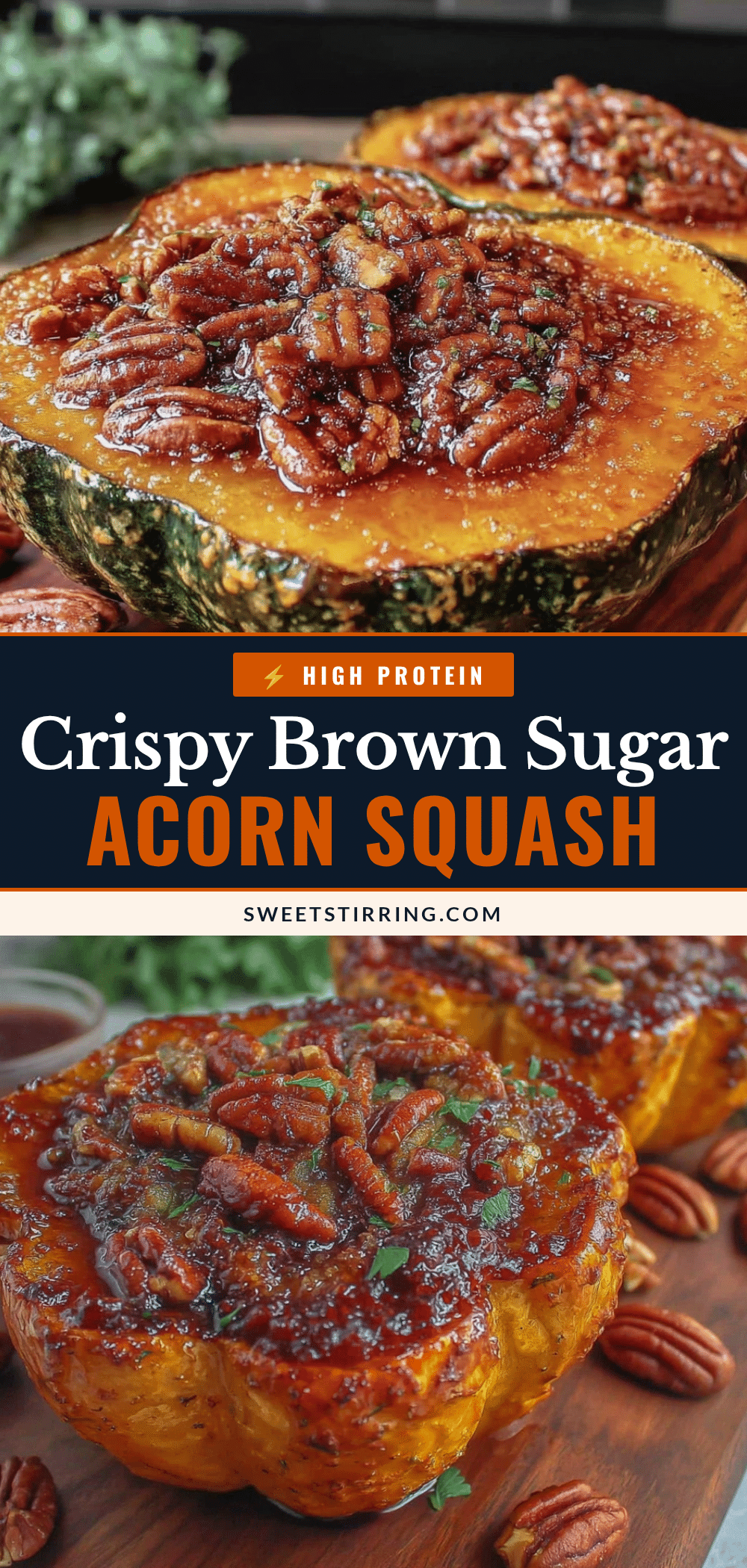
Crispy Brown Sugar Roasted Acorn Squash: Perfect Side

A simple yet impressive side dish featuring acorn squash roasted with brown sugar, cinnamon, and butter. The cross-hatch scoring technique ensures a tender interior with a crispy, caramelized exterior.
- Prep Time: 15 minutes
- Cook Time: 45 minutes
- Total Time: 60 minutes
- Yield: 4 servings 1x
- Category: Side Dish
- Cuisine: American
Ingredients
- 2 medium acorn squash
- 2 tablespoons extra virgin olive oil
- 1/2 cup light brown sugar
- 1 teaspoon ground cinnamon
- 1/4 teaspoon freshly grated nutmeg
- 1/2 teaspoon coarse sea salt
- 1/4 teaspoon freshly cracked black pepper
- 1 tablespoon unsalted butter, softened
Instructions
- Preheat oven to 400°F (200°C).
- Wash squash thoroughly. Cut in half from stem to base and scoop out seeds and pulp.
- Score the flesh of each squash half in a cross-hatch pattern, making shallow cuts about half an inch deep without cutting through to the skin.
- In a small bowl, mix brown sugar, cinnamon, nutmeg, salt, and pepper.
- Drizzle olive oil over the cut sides of the squash and brush evenly. Sprinkle the sugar mixture generously over the oiled surface, pressing it into the cuts.
- Place squash halves cut-side down on a parchment-lined rimmed baking sheet. Roast for 25-30 minutes until tender.
- Remove from oven, flip squash cut-side up, and drizzle with softened butter. Return to oven and roast for an additional 10-15 minutes until edges are golden brown and crispy.
- Let rest for 5 minutes before serving.
Notes
Score the flesh deeply to allow sugar to caramelize into the squash. Watch closely during the final roasting stage as brown sugar burns easily. If edges brown too quickly, tent with foil. For a vegan option, substitute butter with olive oil or vegan butter.
Nutrition
- Serving Size: 1/2 squash
- Calories: 175
- Sugar: 22
- Sodium: 350
- Fat: 8
- Saturated Fat: 3
- Carbohydrates: 28
- Fiber: 4
- Protein: 1
Keywords: acorn squash, roasted squash, brown sugar squash, side dish, vegetarian, gluten-free, holiday recipe, winter vegetables