Love this? Save it for later!
Share the inspiration with your friends
I used to think meatloaf was just… fine. You know, the kind of dinner you ate because it was on the table, not because you were excited about it. That all changed on a rainy Tuesday last October when my neighbor, an older gentleman named Sal who tends to his tomato plants like they’re his children, watched me hauling groceries inside and just shook his head.
“You’re missing the secret,” he said, not even introducing himself first. I thought he was talking about my terrible parking job. But no—he pointed at my grocery bag and said, “For the meatloaf. You need the brown sugar.”
Honestly, I almost laughed. Brown sugar on meatloaf? It sounded like a dessert pretending to be dinner. But Sal doesn’t waste words, and he definitely doesn’t waste food. So the next week, I knocked on his door with a notepad, and he walked me through his mother’s recipe—the one with the sticky, sweet-tangy glaze that caramelizes into something almost magical in the oven.
I messed it up the first time, of course. Used too much ketchup, didn’t let the glaze reduce, and ended up with a pool of sugary liquid at the bottom of the pan. Sal just chuckled when I showed him the photo. “You gotta trust the process,” he said. “And maybe use less ketchup.”
This classic meatloaf recipe with brown sugar ketchup glaze is the result of about seven attempts, three text messages to Sal, and one very patient husband who ate meatloaf for dinner four nights in a row. It’s the kind of meal that makes you slow down—the smell alone will have everyone wandering into the kitchen asking when dinner’s ready. Maybe you’ve been there, standing over a hot oven, hoping this time it turns out right. Trust me, this is the one.
Why You’ll Love This Recipe
This isn’t just another meatloaf recipe. After testing this version at least a dozen times, I can tell you with confidence—this is the one you’ll come back to again and again. Here’s why it works:
- Quick & Easy: Comes together in about 15 minutes of active prep time. The oven does the rest of the work while you get on with your evening.
- Simple Ingredients: Everything here is a pantry staple. No fancy grocery runs required—you probably have ground beef, ketchup, and brown sugar right now.
- Perfect for Busy Weeknights: This classic meatloaf recipe fits right into a Tuesday dinner rotation. It’s comforting without being complicated.
- Crowd-Pleaser: Kids love the sweet glaze, adults appreciate the savory depth. I’ve never seen leftovers last more than one lunch shift.
- Unbelievably Delicious: The brown sugar ketchup glaze creates this sticky, caramelized crust that locks in moisture. Every slice has that perfect balance of sweet and savory.
What makes this version different from all the others? It’s the glaze-to-meat ratio. Most recipes drown the loaf or barely brush it on. Here, we layer it twice—once halfway through baking and once at the end—so you get that deep, almost candied exterior without burning the sugar. I learned that trick from Sal, who learned it from his mother, who apparently learned it from trial and error over forty years of Sunday dinners.
This isn’t just good meatloaf. It’s the kind that makes you close your eyes after the first bite. It’s comfort food reimagined—familiar, but somehow better than you remembered.
What Ingredients You Will Need
This classic meatloaf recipe uses simple, wholesome ingredients to deliver bold flavor and satisfying texture without the fuss. Most of these are pantry staples, which makes this perfect for those nights when you need dinner on the table without a special trip to the store.
For the Meatloaf
- 2 pounds ground beef (80/20 blend works best—the fat keeps it moist. I prefer 85/15 if I can find it)
- 1 cup plain breadcrumbs (Panko works great too, just crush them slightly. Gluten-free breadcrumbs also work here)
- 1 medium yellow onion, finely diced (about 1 cup. Don’t skip this—it adds moisture and sweetness as it cooks)
- 2 large eggs, lightly beaten (room temperature if you remember, straight from the fridge is fine too)
- 1/2 cup whole milk (adds tenderness. Use 2% or even oat milk in a pinch)
- 3 cloves garlic, minced (about 1 tablespoon. Fresh is best, but jarred minced garlic works)
- 2 tablespoons Worcestershire sauce (Lea & Perrins is my go-to brand for depth of flavor)
- 1 teaspoon salt (I use kosher salt—if using table salt, reduce to 3/4 teaspoon)
- 1/2 teaspoon black pepper (freshly ground if possible)
- 1 teaspoon dried thyme (or 2 teaspoons fresh, chopped fine)
- 1/2 teaspoon smoked paprika (adds a subtle smokiness that pairs perfectly with the sweet glaze)
For the Brown Sugar Ketchup Glaze
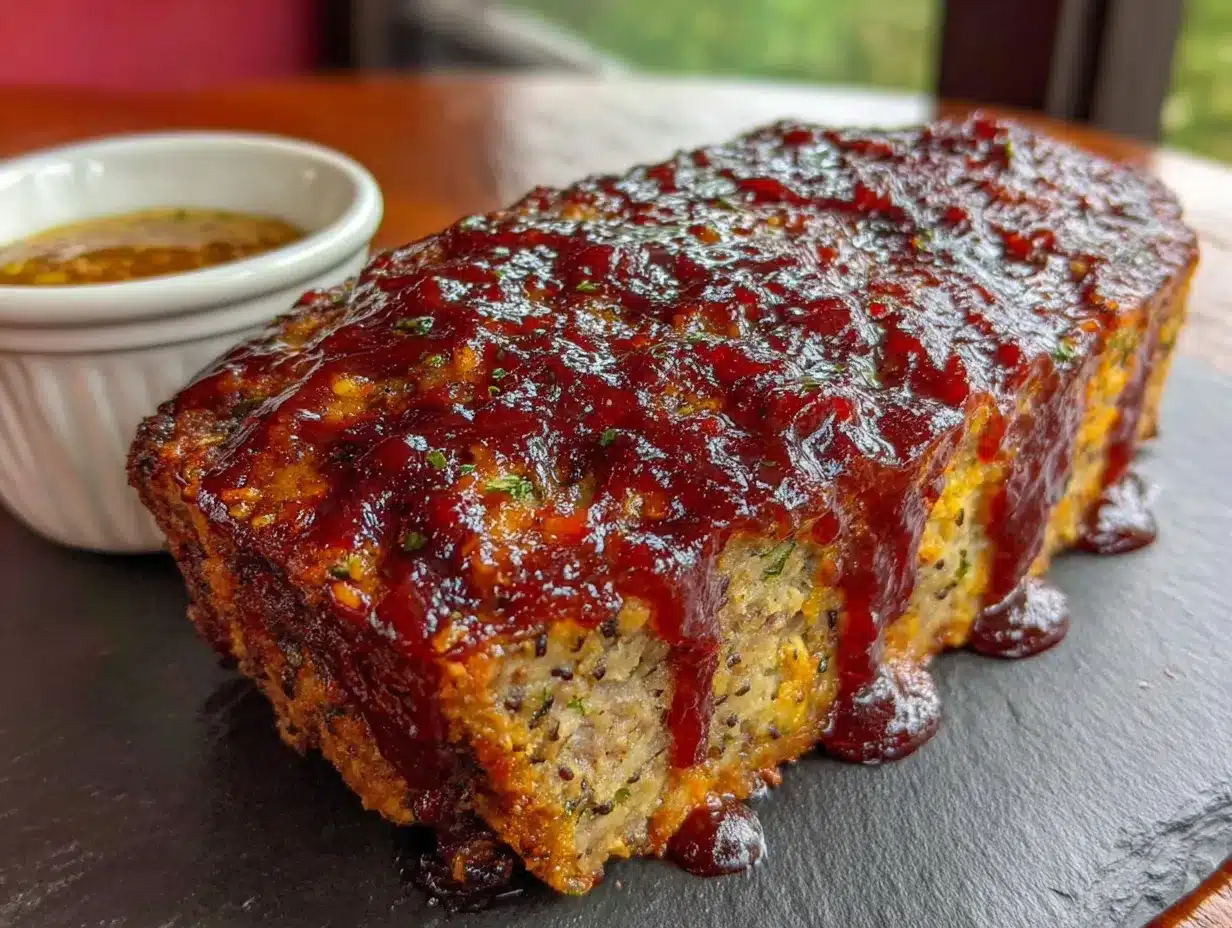
- 3/4 cup ketchup (Heinz is my preference for its balanced sweetness and tang)
- 1/2 cup packed light brown sugar (dark brown sugar works too, but the flavor will be deeper and more molasses-forward)
- 1 tablespoon apple cider vinegar (cuts through the sweetness and adds brightness)
- 1 teaspoon Worcestershire sauce (for that umami kick)
- 1/2 teaspoon garlic powder (not fresh garlic here—powder dissolves better into the glaze)
- Pinch of cayenne pepper (optional, but I love the tiny warmth it brings)
Equipment Needed
You don’t need a fancy kitchen to pull off this classic meatloaf recipe. Here’s what you’ll actually use:
- Large mixing bowl (any bowl works, but something with high sides keeps the meat from flying everywhere)
- 9×5-inch loaf pan (or a baking sheet with a wire rack if you prefer a crustier exterior—I’ve used both)
- Small saucepan (for simmering the glaze. A small skillet works too)
- Whisk (for combining the glaze ingredients smoothly)
- Chef’s knife and cutting board (for dicing the onion and mincing the garlic)
- Measuring cups and spoons (accuracy matters here, especially for the glaze)
- Meat thermometer (not optional—this is how you guarantee perfectly cooked meatloaf every time)
- Aluminum foil (for tenting the loaf if the top browns too quickly)
If you don’t have a loaf pan, you can shape the meatloaf free-form on a parchment-lined baking sheet. It’ll cook a bit faster and develop more crust, which honestly, I prefer. Just keep an eye on the internal temperature.
Preparation Method
Let me walk you through this step by step. I’ve included all the little details I wish someone had told me the first time.
Step 1: Preheat and Prep
Preheat your oven to 350°F (175°C). Line your loaf pan with parchment paper if you want easy cleanup—I learned this after scrubbing a crusted pan for twenty minutes. If using a baking sheet, line it with foil and place a wire rack on top.
Step 2: Make the Glaze
In a small saucepan over medium heat, combine the ketchup, brown sugar, apple cider vinegar, Worcestershire sauce, garlic powder, and cayenne if using. Whisk until the sugar dissolves and the mixture is smooth, about 2-3 minutes. Let it simmer gently for another minute, then remove from heat. Set aside about 1/4 cup of this glaze for basting later—trust me, you’ll want it.
Step 3: Sauté the Aromatics
In a small skillet over medium heat, add a drizzle of oil and cook the diced onion until translucent, about 4-5 minutes. Add the minced garlic and cook for another 30 seconds until fragrant. Let this cool for a few minutes—hot onions will partially cook the meat and change the texture. I learned this the hard way when my first meatloaf turned out crumbly.
Step 4: Mix the Meatloaf
In your large bowl, combine the ground beef, breadcrumbs, sautéed onion and garlic, beaten eggs, milk, Worcestershire sauce, salt, pepper, thyme, and smoked paprika. Use your hands to mix—a spoon won’t distribute everything evenly. But here’s the key: mix gently and stop as soon as everything is combined. Overmixing makes meatloaf tough and dense. You want it just together, not worked into a paste.
Step 5: Shape and Glaze
Transfer the mixture to your prepared pan or shape it into a loaf on the rack. If using a loaf pan, gently press it in—don’t pack it down hard. Brush about half of the reserved glaze over the top and sides of the meatloaf. Save the remaining glaze for later.
Step 6: Bake
Place the meatloaf in the preheated oven and bake for 45 minutes. After 45 minutes, remove it from the oven and brush on another layer of the reserved glaze. Return to the oven and continue baking until the internal temperature reaches 160°F (71°C) when measured at the center, about 15-20 more minutes. Total baking time is usually 60-70 minutes depending on your oven and the shape of your loaf.
Step 7: Rest and Serve
This step is non-negotiable. Let the meatloaf rest in the pan for 10-15 minutes before slicing. The carryover cooking will bring it to a safe 165°F, and the resting time allows the juices to redistribute. If you slice too soon, you’ll end up with a crumbly mess and a puddle of juice on the cutting board. I’ve done it. It’s sad.
Slice into 1-inch thick pieces and serve with the remaining glaze spooned over the top.
Cooking Tips & Techniques
After making this classic meatloaf recipe more times than I can count, here are the things I wish I’d known from the start:
Don’t skip the milk. The breadcrumbs soak up the milk and create a tender, almost creamy texture inside the meatloaf. Without it, you’ll get a dense, dry loaf. If you’re dairy-free, use unsweetened oat milk or even broth—just don’t leave it out entirely.
Let the onions cool. I know I said this already, but it’s worth repeating. Hot onions will start cooking the meat as you mix, leading to a crumbly texture. I once rushed this step because I was hungry, and the meatloaf fell apart on the cutting board. Learn from my impatience.
Use a meat thermometer. Guessing doneness by color or time is risky. Ground beef needs to reach 160°F for safety, but going past 170°F dries it out. A thermometer takes the guesswork out completely. I use a simple instant-read one that cost about twelve dollars.
Glaze in layers. Applying the glaze twice creates that thick, caramelized crust that makes this recipe special. The first layer bakes into the meat, the second layer stays glossy and sticky on top. If you add all the glaze at the beginning, it just runs off and pools in the pan.
Let it rest. I cannot stress this enough. Ten minutes of resting transforms a good meatloaf into a great one. The slices hold together, the juices stay in the meat, and the glaze sets into a beautiful finish.
Variations & Adaptations
This classic meatloaf recipe is forgiving and flexible. Here are some ways to make it your own:
Turkey Meatloaf: Substitute ground turkey or chicken for the beef. Add 2 tablespoons of olive oil to the mixture since poultry is leaner and needs the extra fat to stay moist. Cook to 165°F instead of 160°F.
Gluten-Free Version: Use gluten-free breadcrumbs or crushed gluten-free crackers. I’ve used crushed rice crackers in a pinch and they worked beautifully. Just watch the salt content in whatever substitute you choose.
Cheese-Stuffed Meatloaf: Flatten the meat mixture into a rectangle on parchment paper, sprinkle shredded cheddar or mozzarella down the center, then roll it up like a log before shaping into a loaf. The melted cheese center is ridiculous in the best way.
Spicy Kick: Add 1-2 tablespoons of sriracha or your favorite hot sauce to the meat mixture, and stir a teaspoon of chipotle powder into the glaze. The sweetness of the brown sugar balances the heat perfectly.
Veggie-Packed: Finely grate a carrot or zucchini into the meat mixture. It adds moisture and sneaks in vegetables without changing the flavor much. Squeeze out excess moisture from the zucchini first, or you’ll end up with a soggy loaf.
Serving & Storage Suggestions
This meatloaf is best served warm, straight from the oven, with the extra glaze spooned over each slice. I love it with mashed potatoes and a simple green vegetable—green beans or roasted broccoli are my go-tos. The sweet-savory glaze also pairs beautifully with a side of buttered egg noodles or creamy polenta.
For leftovers, let the meatloaf cool completely, then wrap it tightly in plastic wrap or aluminum foil. It will keep in the refrigerator for up to 4 days. The flavor actually deepens overnight as the spices meld together—cold meatloaf sandwiches are a legitimate highlight of this recipe.
To freeze, slice the cooled meatloaf and wrap each slice individually in plastic wrap, then place them in a freezer bag. They’ll keep for up to 3 months. To reheat, thaw in the refrigerator overnight, then warm slices in a 350°F oven for about 10 minutes, or microwave for 1-2 minutes if you’re in a hurry. The glaze might not be as glossy after freezing, but the flavor is still fantastic.
One tip: if you’re reheating in the oven, brush a little extra ketchup on top to revive that sticky glaze. It makes a difference.
Nutritional Information & Benefits
Per serving (based on 8 servings, using 80/20 ground beef): approximately 420 calories, 24g protein, 28g fat, 22g carbohydrates, 1g fiber, 14g sugar, and 680mg sodium.
This classic meatloaf recipe provides a solid source of protein and iron from the beef, along with B vitamins that support energy metabolism. The onions and garlic offer antioxidants and anti-inflammatory compounds. While this isn’t a low-calorie dish, it’s satisfying in a way that prevents overeating—one slice with sides is genuinely filling.
For those watching sodium, you can reduce the salt in the meat mixture and use low-sodium ketchup. The brown sugar glaze does add sugar, but the amount per serving is modest when spread across the whole loaf. If you’re diabetic or monitoring carbs, consider the turkey variation with a sugar-free ketchup alternative for the glaze.
As always, these values are estimates and will vary based on specific brands and ingredient choices.
Conclusion
This classic meatloaf recipe with brown sugar ketchup glaze has become a staple in my kitchen for good reason. It’s reliable, forgiving, and genuinely delicious in a way that feels both familiar and special. The glaze is the star—that sticky, sweet-tangy crust that turns simple meatloaf into something you actually look forward to eating.
I hope you make this your own. Add a little extra garlic if that’s your thing, swap in ground turkey if you prefer, or stuff it with cheese because why not? The beauty of meatloaf is that it welcomes adaptation. But try the original first—the way Sal taught me—and see how a few simple ingredients can come together to create something truly comforting.
If you give this recipe a try, I’d love to hear how it turned out. Drop a comment below and tell me what sides you served with it, or if you made any fun variations. And if you’re looking for another comfort food classic, you might enjoy this creamy macaroni and cheese that pairs beautifully with a slice of meatloaf. Happy cooking, friends!
Frequently Asked Questions
Can I make this meatloaf ahead of time?
Absolutely. You can assemble the meatloaf and glaze up to 24 hours in advance. Keep the meatloaf mixture in the loaf pan covered in the fridge, and store the glaze separately. When you’re ready to bake, add about 10-15 minutes to the cooking time since you’re starting from cold.
Why did my meatloaf fall apart?
Most likely, it was either under-mixed (the ingredients weren’t fully incorporated) or it didn’t rest long enough after baking. The eggs and breadcrumbs act as binders, so make sure they’re evenly distributed. And always let it rest for at least 10 minutes before slicing.
Can I use ground pork or veal instead of beef?
Yes! A mix of beef and pork (about 50/50) makes an incredibly juicy meatloaf. You can also use all ground pork, but it will be richer and softer in texture. Just make sure the internal temperature still reaches 160°F.
How do I prevent the glaze from burning?
If you notice the glaze getting too dark during the last 15 minutes of baking, loosely tent the meatloaf with aluminum foil. This will protect the top while the inside finishes cooking. Every oven runs differently, so check at the 50-minute mark.
Can I cook this in an air fryer?
You can! Shape the meatloaf into a smaller loaf that fits your air fryer basket. Cook at 350°F for about 35-40 minutes, glazing halfway through. Use a meat thermometer to confirm it reaches 160°F. The cooking time will be shorter, so start checking at 30 minutes.
Pin This Recipe!
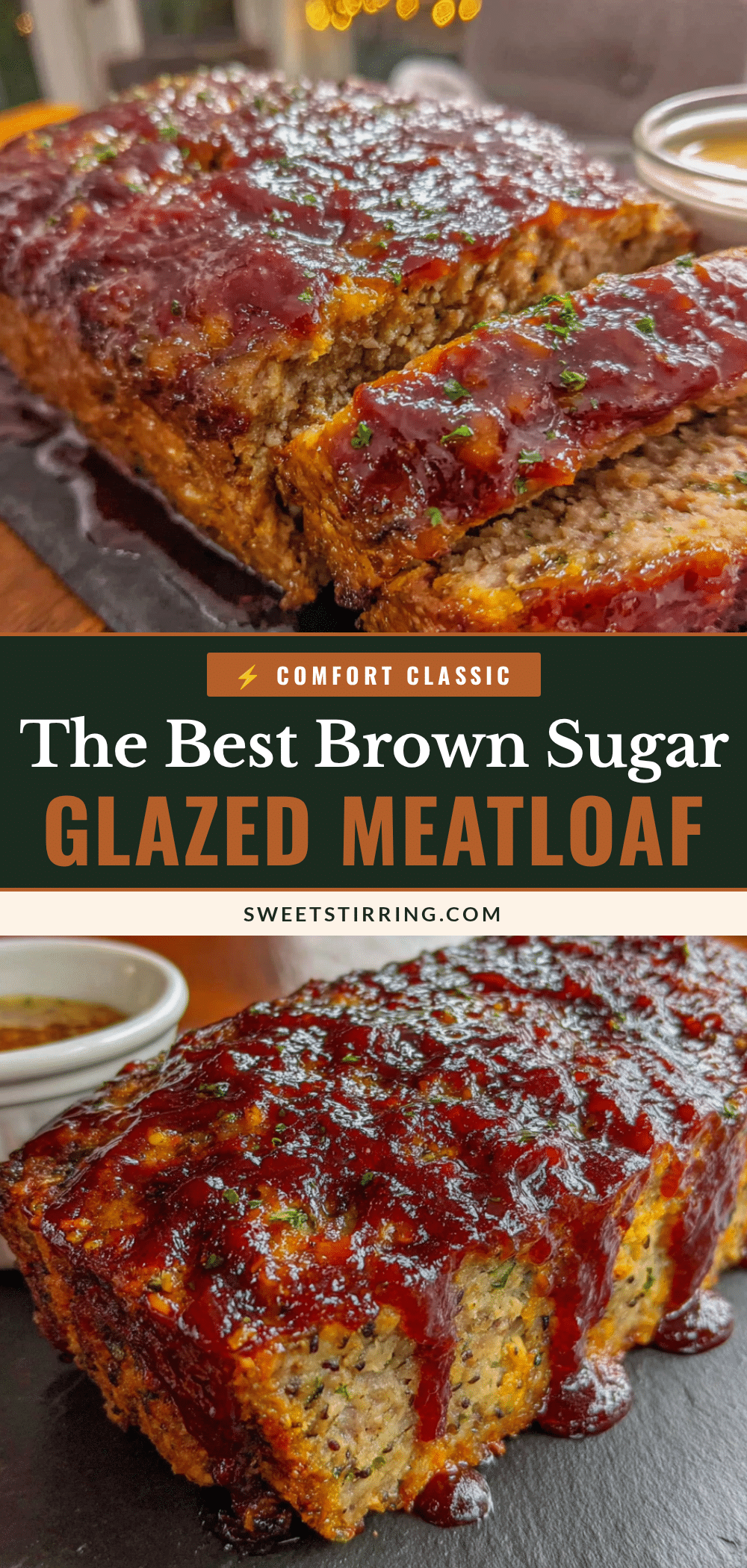
Classic Meatloaf Recipe with Brown Sugar Ketchup Glaze
This classic meatloaf recipe features a sticky, sweet-tangy brown sugar ketchup glaze that caramelizes into a magical crust. It’s a comforting, crowd-pleasing dinner that comes together with simple pantry staples.
- Prep Time: 15 minutes
- Cook Time: 60-70 minutes
- Total Time: 1 hour 25 minutes
- Yield: 8 servings 1x
- Category: Main Course
- Cuisine: American
Ingredients
- 2 pounds ground beef (80/20 blend)
- 1 cup plain breadcrumbs (Panko or gluten-free work)
- 1 medium yellow onion, finely diced (about 1 cup)
- 2 large eggs, lightly beaten
- 1/2 cup whole milk (2% or oat milk in a pinch)
- 3 cloves garlic, minced (about 1 tablespoon)
- 2 tablespoons Worcestershire sauce
- 1 teaspoon kosher salt (3/4 teaspoon if using table salt)
- 1/2 teaspoon black pepper, freshly ground
- 1 teaspoon dried thyme (or 2 teaspoons fresh)
- 1/2 teaspoon smoked paprika
- 3/4 cup ketchup (Heinz preferred)
- 1/2 cup packed light brown sugar (dark brown sugar works)
- 1 tablespoon apple cider vinegar
- 1 teaspoon Worcestershire sauce
- 1/2 teaspoon garlic powder
- Pinch of cayenne pepper (optional)
Instructions
- Preheat oven to 350°F (175°C). Line a 9×5-inch loaf pan with parchment paper or line a baking sheet with foil and place a wire rack on top.
- Make the glaze: In a small saucepan over medium heat, combine 3/4 cup ketchup, 1/2 cup brown sugar, 1 tablespoon apple cider vinegar, 1 teaspoon Worcestershire sauce, 1/2 teaspoon garlic powder, and cayenne (if using). Whisk until sugar dissolves and mixture is smooth, about 2-3 minutes. Simmer gently for 1 minute, then remove from heat. Set aside 1/4 cup for basting later.
- Sauté aromatics: In a small skillet over medium heat, add a drizzle of oil and cook diced onion until translucent, about 4-5 minutes. Add minced garlic and cook 30 seconds until fragrant. Let cool for a few minutes.
- Mix meatloaf: In a large bowl, combine ground beef, breadcrumbs, sautéed onion and garlic, beaten eggs, milk, 2 tablespoons Worcestershire sauce, salt, pepper, thyme, and smoked paprika. Mix gently with your hands until just combined—do not overmix.
- Shape and glaze: Transfer mixture to prepared pan or shape into a loaf on the rack. Brush about half of the reserved glaze over the top and sides.
- Bake for 45 minutes. Remove from oven and brush on another layer of the reserved glaze. Return to oven and bake until internal temperature reaches 160°F (71°C), about 15-20 more minutes (total 60-70 minutes).
- Rest for 10-15 minutes before slicing. Slice into 1-inch thick pieces and serve with remaining glaze spooned over the top.
Notes
Don’t skip the milk—it keeps the meatloaf tender. Let the onions cool before adding to the meat mixture to avoid a crumbly texture. Use a meat thermometer for perfect doneness. Glaze in layers for a thick, caramelized crust. Let the meatloaf rest for 10-15 minutes before slicing to allow juices to redistribute.
Nutrition
- Serving Size: 1 slice (1/8 of loaf
- Calories: 420
- Sugar: 14
- Sodium: 680
- Fat: 28
- Carbohydrates: 22
- Fiber: 1
- Protein: 24
Keywords: meatloaf, brown sugar ketchup glaze, classic meatloaf, comfort food, ground beef recipe, easy dinner