Love this? Save it for later!
Share the inspiration with your friends
I was standing in the hardware store parking lot, clutching a bag of door hinges, when my neighbor Sal—a retired plumber who I’d only ever seen watering his petunias—leaned out of his truck window and started talking about pork chops. Not about his lawn, not about the weather. Pork chops. Specifically, he started describing how he braises them in apple cider until they’re so tender you don’t even need a knife. I’d known Sal for three years, and our conversations had never gone beyond a wave and a nod. But there I was, on a Tuesday afternoon, listening to a man in a stained flannel shirt tell me exactly how to make the best weeknight dinner of my life. Honestly, it was the last place I expected to find a recipe this good. He scribbled the gist of it on the back of a receipt from his wallet—I still have that crumpled piece of paper tucked in my cookbook. The first time I made these quick apple cider braised pork chops, my kitchen smelled like autumn in a pot, and my family ate in silence, which is the highest compliment they can give. If you’ve ever stared at a pack of pork chops wondering how to make them juicy and fast on a busy weeknight, let me tell you—this is the one.
Why You’ll Love This Recipe
Let’s be real for a second. Weeknight cooking is a battle against the clock, and pork chops have a reputation for drying out faster than you can say “dinner’s ready.” This recipe is my secret weapon because it solves both problems at once.
- Quick & Easy: From pan to table in under 40 minutes. The braising liquid does all the heavy lifting, so you’re not standing over the stove stirring.
- Simple Ingredients: You probably have apple cider in your fridge from a weekend trip to the orchard, and the rest is pantry gold—onion, garlic, thyme, butter.
- Perfect for Weeknights: This is the kind of meal that feels special but requires almost zero effort. It’s cozy enough for a Tuesday and impressive enough for a last-minute guest.
- Crowd-Pleaser: Even my picky eater, who usually pushes meat to the side of the plate, asked for seconds. The sauce is the real star here—sweet, tangy, and savory all at once.
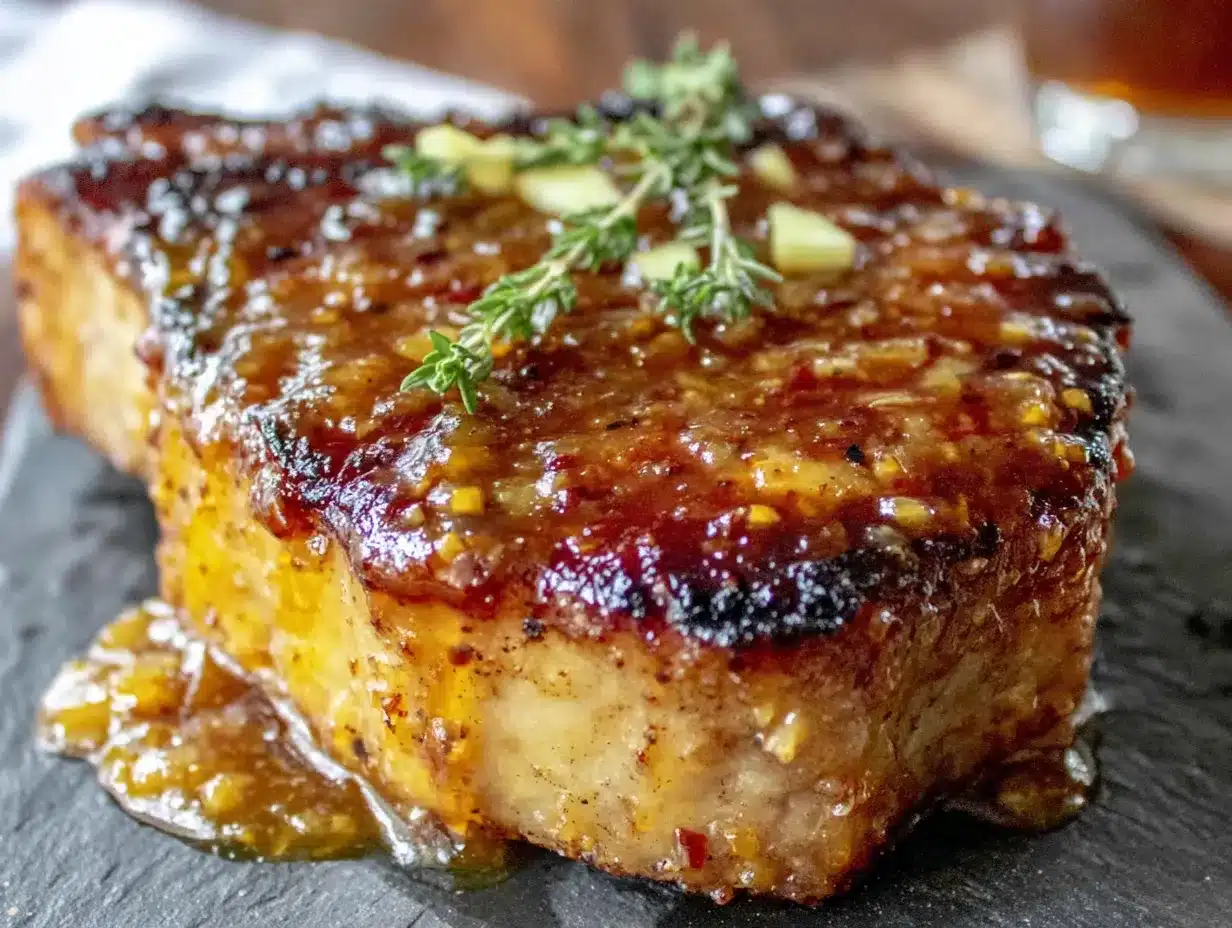
- Unbelievably Delicious: The pork comes out fork-tender, swimming in a glossy apple cider pan sauce that you’ll want to drink with a spoon. It’s comfort food that doesn’t weigh you down.
What makes this different from other pork chop recipes is the technique. Instead of searing and hoping for the best, you’re building a quick braise that locks in moisture and infuses the meat with deep apple flavor. I’ve tested this with thick-cut, thin-cut, bone-in, and boneless—it works every time. This isn’t just another recipe; it’s the one that finally made me stop being afraid of dry pork chops.
What Ingredients You Will Need
This recipe uses humble ingredients that come together to create something genuinely special. The apple cider is the backbone—it adds sweetness without being cloying and helps tenderize the meat as it simmers.
- Pork chops: 4 bone-in pork chops, about 1 inch thick (roughly 6-8 ounces each). Bone-in adds flavor and helps prevent drying out. If using boneless, reduce cooking time by 3-4 minutes.
- Apple cider: 1 cup (240 ml), preferably unfiltered. The cloudier the better—it has more apple flavor. I like using local orchard cider when it’s in season.
- Chicken broth: ½ cup (120 ml), low-sodium. This balances the sweetness of the cider and helps create the braising liquid.
- Yellow onion: 1 medium, thinly sliced. It melts into the sauce as it cooks, adding savory depth.
- Garlic: 3 cloves, minced. Fresh is best here—don’t use the jarred stuff for this recipe.
- Butter: 2 tablespoons, unsalted. Used for searing and finishing the sauce for richness.
- Olive oil: 1 tablespoon, for searing. Helps prevent the butter from burning.
- Fresh thyme: 4 sprigs (or 1 teaspoon dried). Adds an earthy, slightly floral note that pairs perfectly with apple.
- Apple cider vinegar: 1 tablespoon. Brightens the sauce and cuts through the richness.
- Salt and black pepper: To taste. Don’t be shy—season the chops generously.
- Optional garnish: Fresh parsley or apple slices, for serving.
For the best texture, look for pork chops that have some marbling. If you’re watching your salt intake, you can use unsalted broth and adjust seasoning at the end. I’ve also made this with a splash of bourbon added to the braising liquid—it’s incredible, but totally optional.
Equipment Needed
You don’t need a fancy kitchen to pull this off. Here’s what you’ll need:
- Large skillet or Dutch oven: A heavy-bottomed 12-inch skillet with a lid is ideal. Cast iron works beautifully because it holds heat evenly. If you don’t have a lid, a sheet of aluminum foil works in a pinch.
- Tongs: For flipping the pork chops without piercing the meat and losing juices.
- Cutting board and chef’s knife: For slicing the onion and mincing garlic.
- Measuring cups and spoons: Accuracy matters for the braising liquid.
- Wooden spoon or spatula: For scraping up the browned bits from the pan—that’s where the flavor lives.
If you don’t own a Dutch oven, don’t sweat it. I’ve made this in a stainless steel skillet with a tight-fitting lid, and it turned out just as good. Just make sure the pan is deep enough to hold the liquid without splattering everywhere.
Preparation Method
- Pat the pork chops dry with paper towels. This is non-negotiable—wet meat won’t sear properly. Season both sides generously with salt and black pepper. Let them sit at room temperature for 10 minutes while you prep the onion and garlic.
- Heat the skillet over medium-high heat. Add the olive oil and 1 tablespoon of butter. Swirl the pan until the butter is melted and foamy. The pan should be hot enough that a drop of water sizzles on contact.
- Sear the pork chops in a single layer. Don’t crowd the pan—work in batches if needed. Cook for 3-4 minutes per side, until deeply golden brown. The chops should release easily from the pan when they’re ready. If they stick, give them another 30 seconds. Transfer the seared chops to a plate and set aside.
- Reduce heat to medium and add the sliced onion. Cook for 4-5 minutes, stirring occasionally, until softened and starting to brown around the edges. Scrape up any browned bits from the bottom of the pan—that’s pure flavor.
- Add the minced garlic and cook for 30 seconds until fragrant. Don’t let it burn, or it will turn bitter.
- Pour in the apple cider and chicken broth, stirring to combine. Add the apple cider vinegar and fresh thyme sprigs. Bring the liquid to a gentle simmer—you should see small bubbles, not a rolling boil.
- Return the pork chops to the skillet, nestling them into the liquid. The braising liquid should come about halfway up the sides of the chops. If it doesn’t, add a splash more broth or cider.
- Cover the skillet with a lid and reduce the heat to low. Let it simmer gently for 15-20 minutes, depending on the thickness of your chops. For 1-inch thick bone-in chops, 18 minutes is usually perfect. The pork should be tender and register 145°F on an instant-read thermometer.
- Remove the pork chops to a clean plate and tent loosely with foil. Turn the heat up to medium-high and let the sauce simmer uncovered for 3-5 minutes, until it thickens slightly. Swirl in the remaining 1 tablespoon of butter for gloss and richness. Taste and adjust seasoning with salt and pepper.
- Serve immediately, spooning the sauce and onions over the pork chops. Garnish with fresh parsley if you’re feeling fancy.
Pro tip from my first attempt: I once forgot to pat the chops dry, and they steamed instead of searing. The crust was pale, and I lost all that beautiful browning. Don’t skip that step—it makes a real difference.
Cooking Tips & Techniques
I’ve made this quick apple cider braised pork chops recipe more times than I can count, and I’ve learned a few things the hard way so you don’t have to.
Don’t rush the sear. That golden-brown crust isn’t just for looks—it adds layers of flavor that infuse the braising liquid. If you’re short on time, it’s tempting to skip this step, but trust me, it’s worth the extra 6 minutes. I once tried to save time by searing on high heat, and I ended up with burnt butter and raw centers. Medium-high is the sweet spot.
Use a thermometer. Pork chops are easy to overcook, and nothing ruins a weeknight meal like dry, rubbery meat. An instant-read thermometer takes the guesswork out. Pull the chops at 145°F, and they’ll carry over to 150°F as they rest. If you don’t have a thermometer, look for the meat to feel firm but still give slightly when pressed.
Let the sauce do its thing. The braising liquid will look thin when you first add the chops back to the pan. Don’t be tempted to add a thickener—the natural reduction and the butter at the end create a silky, glossy sauce that clings to the meat perfectly. Patience is your friend here.
Multitask like a pro. While the pork is braising, you can steam some green beans or toss a simple salad. The 20-minute simmer is your window to get the rest of dinner ready. I usually start some rice or mashed potatoes right when I cover the skillet—everything finishes at the same time.
One mistake I still make: Forgetting to scrape the fond (those browned bits) when I add the onions. If you let them sit, they can burn and make the sauce bitter. Stir them up as soon as the onions hit the pan.
Variations & Adaptations
This recipe is flexible, and I’ve tried a few twists that turned out surprisingly well.
Apple and Sage: Swap the thyme for 4-5 fresh sage leaves. Sage and apple are a classic pairing, and the earthy flavor works beautifully with the sweet cider. I made this version for a fall dinner party, and guests kept asking for the recipe.
Creamy Apple Cider Pork Chops: After removing the chops, stir in ¼ cup of heavy cream into the sauce before simmering. It creates a rich, creamy gravy that’s incredible over mashed potatoes. This is my go-to when I want something extra indulgent on a cold night.
Slow Cooker Adaptation: Sear the chops and onions as directed, then transfer everything to a slow cooker. Add the liquid and cook on low for 4-5 hours. The meat will be fall-apart tender, though you’ll lose a bit of the seared crust. Thicken the sauce on the stovetop before serving.
Gluten-Free: This recipe is naturally gluten-free as written. Just double-check your chicken broth label to make sure it’s certified gluten-free.
Low-Carb Option: Substitute the apple cider with an equal amount of unsweetened applesauce mixed with a splash of apple cider vinegar. It won’t be exactly the same, but it captures the apple flavor with fewer carbs. Serve with roasted cauliflower instead of potatoes.
I’ve also tried adding a diced apple to the braising liquid—it breaks down into the sauce and adds little pockets of sweet fruit. It’s not traditional, but it’s delicious.
Serving & Storage Suggestions
These pork chops are best served hot, straight from the skillet, with plenty of the onion-apple sauce spooned over the top. I like to serve them with something starchy to soak up every drop of that liquid gold—mashed potatoes, egg noodles, or crusty bread are all excellent choices. A simple side of roasted Brussels sprouts or a crisp green salad with a tangy vinaigrette balances the richness nicely.
For drinks, a hard apple cider or a dry Riesling complements the sweetness of the dish. If you’re keeping it non-alcoholic, sparkling apple cider with a splash of soda water is refreshing.
Storage: Leftover pork chops can be stored in an airtight container in the refrigerator for up to 3 days. The flavors actually deepen overnight, so leftovers are almost better the next day.
Reheating: The key is to reheat gently so you don’t dry out the meat. Place the chops and sauce in a covered skillet over low heat for 5-7 minutes, or microwave on 50% power in 30-second intervals. If the sauce seems too thick, add a splash of broth or water to loosen it up.
Freezing: These pork chops freeze well for up to 2 months. Cool completely, then transfer to a freezer-safe container with the sauce. Thaw overnight in the refrigerator before reheating as directed above.
One thing I love about this recipe is that the sauce develops more complexity after a day in the fridge. The apple and thyme flavors meld together, and the onions become almost jammy. It’s a great make-ahead meal for busy weeks.
Nutritional Information & Benefits
Here’s an approximate nutritional breakdown per serving (one pork chop with sauce):
| Nutrient | Amount |
|---|---|
| Calories | 380 |
| Protein | 35g |
| Fat | 18g |
| Saturated Fat | 8g |
| Carbohydrates | 14g |
| Fiber | 1g |
| Sugar | 9g |
| Sodium | 520mg |
Pork chops are a great source of lean protein, which helps keep you full and supports muscle health. Apple cider contains antioxidants and may aid digestion, while onions provide prebiotic fiber that supports gut health. The butter adds richness, but you can reduce the amount or use a plant-based alternative if you’re watching saturated fat.
This recipe is naturally gluten-free and nut-free. If you’re dairy-free, substitute the butter with olive oil or a vegan butter alternative—the sauce will still be delicious, just slightly less creamy.
From my perspective, this is a balanced weeknight meal that doesn’t sacrifice flavor for convenience. It’s hearty enough to satisfy without leaving you feeling heavy.
Conclusion
I still think about that conversation with Sal in the hardware store parking lot. It’s funny how the best recipes come from the most unexpected places—a crumpled receipt, a neighbor who doesn’t say much, a Tuesday afternoon when you’re just trying to buy door hinges. This quick apple cider braised pork chops recipe has become a staple in my kitchen, and I hope it becomes one in yours too.
The beauty of this dish is that it’s forgiving. You can tweak the herbs, swap the cider for juice, or add a splash of cream—it still works. It’s the kind of recipe that builds confidence in the kitchen because it delivers every single time. So go ahead, give it a try. And if you make it your own, I’d love to hear about it. Drop a comment below and tell me how it turned out, or share your own twist on this recipe. Happy cooking!
Frequently Asked Questions
Can I use boneless pork chops for this recipe?
Yes, you can. Boneless chops cook faster, so reduce the braising time to 12-15 minutes. Keep an eye on the internal temperature and pull them at 145°F to prevent drying out.
What can I use instead of apple cider?
Unsweetened apple juice works in a pinch, though it’s slightly thinner. For a deeper flavor, you can use hard apple cider or a mix of apple juice and a splash of apple cider vinegar.
Can I make this recipe dairy-free?
Absolutely. Substitute the butter with olive oil or a plant-based butter alternative. The sauce will still be flavorful, though it won’t be as glossy.
How do I know when the pork chops are done without a thermometer?
Cut into the thickest part of the chop—the meat should be white throughout with just a hint of pink near the bone. The juices should run clear, not pink. The meat should feel firm but still have a little give when pressed.
Can I double this recipe?
Yes, but you’ll need a larger skillet or Dutch oven. Sear the chops in batches to avoid overcrowding, and make sure the braising liquid comes halfway up the sides of the chops. You may need to add an extra ¼ cup of cider and broth to maintain the liquid level.
Pin This Recipe!

Best Easy Apple Cider Braised Pork Chops Recipe

Tender, juicy pork chops braised in apple cider until fork-tender, creating a glossy, sweet-tangy pan sauce. This quick weeknight dinner comes together in under 40 minutes with simple ingredients.
- Prep Time: 10 minutes
- Cook Time: 30 minutes
- Total Time: 40 minutes
- Yield: 4 servings 1x
- Category: Main Course
- Cuisine: American
Ingredients
- 4 bone-in pork chops, about 1 inch thick (6–8 ounces each)
- 1 cup (240 ml) apple cider, preferably unfiltered
- ½ cup (120 ml) low-sodium chicken broth
- 1 medium yellow onion, thinly sliced
- 3 cloves garlic, minced
- 2 tablespoons unsalted butter, divided
- 1 tablespoon olive oil
- 4 sprigs fresh thyme (or 1 teaspoon dried)
- 1 tablespoon apple cider vinegar
- Salt and black pepper to taste
- Fresh parsley or apple slices for garnish (optional)
Instructions
- Pat the pork chops dry with paper towels. Season both sides generously with salt and black pepper. Let sit at room temperature for 10 minutes.
- Heat a large skillet or Dutch oven over medium-high heat. Add olive oil and 1 tablespoon butter. Swirl until melted and foamy.
- Sear pork chops in a single layer for 3-4 minutes per side until deeply golden brown. Transfer to a plate and set aside.
- Reduce heat to medium. Add sliced onion and cook 4-5 minutes, stirring occasionally, until softened and starting to brown. Scrape up any browned bits from the pan.
- Add minced garlic and cook 30 seconds until fragrant.
- Pour in apple cider, chicken broth, and apple cider vinegar. Add thyme sprigs. Bring to a gentle simmer.
- Return pork chops to the skillet, nestling them into the liquid. The liquid should come about halfway up the sides of the chops.
- Cover the skillet, reduce heat to low, and simmer gently for 15-20 minutes (18 minutes for 1-inch thick bone-in chops) until pork reaches 145°F internally.
- Remove pork chops to a plate and tent loosely with foil. Increase heat to medium-high and simmer sauce uncovered 3-5 minutes until slightly thickened. Swirl in remaining 1 tablespoon butter. Season with salt and pepper to taste.
- Serve immediately, spooning sauce and onions over pork chops. Garnish with fresh parsley if desired.
Notes
Don’t skip patting the chops dry—wet meat won’t sear properly. Use a thermometer to avoid overcooking; pull at 145°F. The sauce will thicken naturally as it reduces; no need for thickeners. For best results, let the chops rest after braising. Leftovers keep 3 days in the fridge and freeze up to 2 months.
Nutrition
- Serving Size: 1 pork chop with sau
- Calories: 380
- Sugar: 9
- Sodium: 520
- Fat: 18
- Saturated Fat: 8
- Carbohydrates: 14
- Fiber: 1
- Protein: 35
Keywords: apple cider pork chops, braised pork chops, easy weeknight dinner, fall recipe, pork chop recipe, quick dinner